



The 2020 Chevrolet Silverado HD
Just when you think it can’t get any better, Chevrolet’s 2020 Silverado HD reaches new heights in both utility and comfort. The award-winning Silverado is sure to excite experienced Silverado buyers, as well as those who are shopping for their very first HD.
Marissa West, chief engineer for the 2020 Silverado HD said, “We set out to make the best HD trucks on the market, bar none.” She reached her goal; the new models don’t disappoint.
The 2020 Silverado’s latest updates include:
• A new, more powerful 6.6L V-8 with direct injection. This brings with it greater performance with a 22 percent increase in torque, as well as 18 percent greater towing than previous 6.0L gas engines
• An all-new Allison© 10-speed automatic transmission, providing a 52 percent increase in towing max, up to 35,000 pounds on suitably equipped models
• A two-speed transfer case on 4×4 models, allowing the Silverado to effortlessly shift between two-wheel and four-wheel drive
• Crew cab models which are about 3 inches longer than previous models
• 15 different camera views, including a transparent trailer feature, and increased capabilities with the myChevrolet mobile app
• A completely re-sculpted exterior, offering a look no other Silverado has ever had
• An updated, integrated snow plow package
• An engine block heater cord outlet in the front bumper that is easier to reach
While not built for luxury, the cab is very comfortable. Some of the standard interior features include:
• OnStar© & Chevrolet Connected Services
• Perforated leather-appointed front seat trim
• Rear air vents
• 120-volt box-mounted power outlet
• 4.2” diagonal color Driver Information Center
The “HD” stands for heavy-duty, and that’s just what Silverado HD buyers get. It’s built to be a work-horse, and it is.
Easy on-off mounting of snowplows, 18,500-pound towing capability on the 2500 HD (35,500 pounds with the 3500 HD), and an ultra-powerful V-8 make the Silverado the perfect truck for those who want the functionality of an HD truck with a unique look.
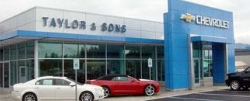
Taylor & Sons Chevrolet offers an extensive inventory of Silverado’s, and if we don’t have exactly what you want in stock we’ll get if for you. And, our factory certified technicians will provide you with world-class service.
Let us help you discover all that the 2020 Silverado HD has to offer.
Buying a new car or truck is a very exciting time. You have a make and model in mind, and it seems everywhere you go you see it. You can’t wait until you’re at the dealership and sitting inside of one, taking a test drive, or driving off the dealership’s property in your own new model.
But this is a major investment you’re about to make. You don’t want to rush in unprepared and make an impulse buy that you’ll later regret. In light of that, here are seven questions you should ask the dealership when you’re in the buying mode.
1. Do you have the vehicle I want? Even though you’ve had your heart set on driving away in your new car or truck, you don’t want to settle on another model just because the dealership doesn’t have what you want on the lot. Bear in mind that they can get one from another dealership to show you, usually within a day or two. Don’t rush, be patient and wait until they have what you want. You’re going to have your new vehicle for years, it’s worth it to wait a couple of days and get what you came for.
2. What’s the actual cost of the car? This may very well be the most nerve-racking question you’ll have to ask. Many dealerships are willing to show you what they paid for the car or truck so you’ll know what the markup is. You may want to buy the vehicle for less than they paid for it but bear in mind that they have to make a fair profit so they can stay in business to service your vehicle. You don’t have to pay the sticker price but don’t set unrealistic expectations on price.
3. What aftermarket features have been added to the vehicle? You may not want the deluxe interior package that comes with the vehicle that the dealership has in stock. Tell your sales representative what you will and won’t pay for and let them either adjust the price accordingly or get you a car or truck that meets your specifications. A good dealership wants you to drive away happy so you’ll tell others about how well you were treated. They know this won’t happen if they push unwanted options on you.
4. What’s the mileage on the car I want? You may not mind buying a new vehicle that has been used by the dealership owner and has a few hundred miles on it, or you may prefer a vehicle that rolled off the truck and has been sitting there waiting for you with only 2 miles on it. Either way, find out what the mileage is and get what you want. Cars or trucks with some demo miles on them can sell at a discount and are no worse for the wear than an undriven vehicle. In fact, they may be broken in a bit for you.
5. What are my payment terms? There are a few questions to ask yourself when you are going to finance a new vehicle. What is the maximum monthly payment my budget will allow? What is the interest rate of the loan? Will the dealership finance me if I have poor or no credit? If you’re going to buy a new car and make payments, you’ll likely be meeting with the finance department. Let them know what your objectives and concerns are. Their job is to help you buy the car you want at a price you can afford.
6. What’s the warranty? In all of the excitement of buying a new vehicle, this is a question that many buyers don’t ask. Be sure to drive away knowing what the warranty is on the car, and what is and isn’t covered under warranty. You don’t want any surprises down the road if something malfunctions and you need repairs.
7. What are the service department’s hours and how do I make an appointment? There’s going to come a time when you’ll need to get your oil changed or need new tires. Find out in advance what days and hours the service department is open so you’ll have an idea of how that fits into your schedule. Many dealerships now allow you to schedule appointments online, or you can give the service department a call and they’ll schedule a convenient day and time for you.
At Taylor & Sons Chevrolet we take the stress out of buying a new vehicle. We’re going to answer every question you have and not pressure you into buying. And our service department, with our certified technicians, will treat you with the same respect as our sales department does. That’s the Taylor & Sons difference.
Buying a new car or truck is a very exciting time. You have a make and model in mind, and it seems everywhere you go you see it. You can’t wait until you’re at the dealership and sitting inside of one, taking a test drive, or driving off the dealership’s property in your own new model.
But this is a major investment you’re about to make. You don’t want to rush in unprepared and make an impulse buy that you’ll later regret. In light of that, here are seven questions you should ask the dealership when you’re in the buying mode.
1. Do you have the vehicle I want? Even though you’ve had your heart set on driving away in your new car or truck, you don’t want to settle on another model just because the dealership doesn’t have what you want on the lot. Bear in mind that they can get one from another dealership to show you, usually within a day or two. Don’t rush, be patient and wait until they have what you want. You’re going to have your new vehicle for years, it’s worth it to wait a couple of days and get what you came for.
2. What’s the actual cost of the car? This may very well be the most nerve-racking question you’ll have to ask. Many dealerships are willing to show you what they paid for the car or truck so you’ll know what the markup is. You may want to buy the vehicle for less than they paid for it but bear in mind that they have to make a fair profit so they can stay in business to service your vehicle. You don’t have to pay the sticker price but don’t set unrealistic expectations on price.
3. What aftermarket features have been added to the vehicle? You may not want the deluxe interior package that comes with the vehicle that the dealership has in stock. Tell your sales representative what you will and won’t pay for and let them either adjust the price accordingly or get you a car or truck that meets your specifications. A good dealership wants you to drive away happy so you’ll tell others about how well you were treated. They know this won’t happen if they push unwanted options on you.
4. What’s the mileage on the car I want? You may not mind buying a new vehicle that has been used by the dealership owner and has a few hundred miles on it, or you may prefer a vehicle that rolled off the truck and has been sitting there waiting for you with only 2 miles on it. Either way, find out what the mileage is and get what you want. Cars or trucks with some demo miles on them can sell at a discount and are no worse for the wear than an undriven vehicle. In fact, they may be broken in a bit for you.
5. What are my payment terms? There are a few questions to ask yourself when you are going to finance a new vehicle. What is the maximum monthly payment my budget will allow? What is the interest rate of the loan? Will the dealership finance me if I have poor or no credit? If you’re going to buy a new car and make payments, you’ll likely be meeting with the finance department. Let them know what your objectives and concerns are. Their job is to help you buy the car you want at a price you can afford.
6. What’s the warranty? In all of the excitement of buying a new vehicle, this is a question that many buyers don’t ask. Be sure to drive away knowing what the warranty is on the car, and what is and isn’t covered under warranty. You don’t want any surprises down the road if something malfunctions and you need repairs.
7. What are the service department’s hours and how do I make an appointment? There’s going to come a time when you’ll need to get your oil changed or need new tires. Find out in advance what days and hours the service department is open so you’ll have an idea of how that fits into your schedule. Many dealerships now allow you to schedule appointments online, or you can give the service department a call and they’ll schedule a convenient day and time for you.
At Taylor & Sons Chevrolet we take the stress out of buying a new vehicle. We’re going to answer every question you have and not pressure you into buying. And our service department, with our certified technicians, will treat you with the same respect as our sales department does. That’s the Taylor & Sons difference.
The 2020 Chevrolet Silverado HD
Just when you think it can’t get any better, Chevrolet’s 2020 Silverado HD reaches new heights in both utility and comfort. The award-winning Silverado is sure to excite experienced Silverado buyers, as well as those who are shopping for their very first HD.
Marissa West, chief engineer for the 2020 Silverado HD said, “We set out to make the best HD trucks on the market, bar none.” She reached her goal; the new models don’t disappoint.
The 2020 Silverado’s latest updates include:
• A new, more powerful 6.6L V-8 with direct injection. This brings with it greater performance with a 22 percent increase in torque, as well as 18 percent greater towing than previous 6.0L gas engines
• An all-new Allison© 10-speed automatic transmission, providing a 52 percent increase in towing max, up to 35,000 pounds on suitably equipped models
• A two-speed transfer case on 4×4 models, allowing the Silverado to effortlessly shift between two-wheel and four-wheel drive
• Crew cab models which are about 3 inches longer than previous models
• 15 different camera views, including a transparent trailer feature, and increased capabilities with the myChevrolet mobile app
• A completely re-sculpted exterior, offering a look no other Silverado has ever had
• An updated, integrated snow plow package
• An engine block heater cord outlet in the front bumper that is easier to reach
While not built for luxury, the cab is very comfortable. Some of the standard interior features include:
• OnStar© & Chevrolet Connected Services
• Perforated leather-appointed front seat trim
• Rear air vents
• 120-volt box-mounted power outlet
• 4.2” diagonal color Driver Information Center
The “HD” stands for heavy-duty, and that’s just what Silverado HD buyers get. It’s built to be a work-horse, and it is.
Easy on-off mounting of snowplows, 18,500-pound towing capability on the 2500 HD (35,500 pounds with the 3500 HD), and an ultra-powerful V-8 make the Silverado the perfect truck for those who want the functionality of an HD truck with a unique look.
Taylor & Sons Chevrolet offers an extensive inventory of Silverado’s, and if we don’t have exactly what you want in stock we’ll get if for you. And, our factory certified technicians will provide you with world-class service.
Let us help you discover all that the 2020 Silverado HD has to offer.
How Do I Know When to Change My Brakes?
If you’ve ever been driving and started to hear that dreadful squealing sound, you’ve experienced one indicator that your brakes may very well need to be changed. There are other indicators as well. Driving with faulty brakes and rotors not only can damage your vehicle, but it can also be hazardous for the driver and passengers in the vehicle.
Here is some important information which will tell you when you should change your brakes and rotors.
Q: What are some signs that I should know, so I can take my vehicle to my mechanic and avoid further damage?
A: Signs to look for are:
• Squealing or screeching noises
• Less than a quarter of an inch of brake pad remaining, which can be determined by a qualified mechanic
• Deep metallic grinding and growling sounds coming from the brakes
• Indicator lights coming on, if the vehicle has this feature
• Leaking brake fluid
• Car pulling to one side when braking
• The vehicle bouncing up and down when you stop
If you experience any of these, head straight to our service department and let us inspect your brakes and rotors. These are most often a definite sign that the pads are worn to the metal.
Q: On average, how long do brake pads last?
A: Generally, there is about a 40,000 mile average on brake pad life. However, it’s not uncommon to see some last 25,000 miles or even 70,000 miles. Factors affecting brake pad life include your driving habits and the quality of the brakes themselves.
Q: Do I need to replace all four brakes at the same time?
A: Potentially no. However, brake pads should always be replaced in pairs. Our trained mechanics will inspect the brakes and advise you on the condition of all four of your brake pads. It’s not uncommon for the front pads to wear out more often since most of the work is done by them when braking.
Q: Can I put new brake pads on old rotors?
When properly installed and used over time, a thin layer of brake pad material transfers over to the rotors. This helps create optimal friction for stopping your vehicle. When a set of brake pads wear out and is replaced with new pads, it’s okay to install them on old rotors if the mechanic determines the rotors are in good condition.
It the rotors have never been replaced, it’s still okay to install the new pads. The worst that can most likely happen is the new pads wear unevenly and don’t last as long as you expect.
Q: What is the average life of rotors?
A: Rotors can last anywhere from 20,000 to 70,000 miles, depending on driving habits, manufacturer, and mechanic installation. A qualified mechanic, like those found at Taylor and Sons Chevrolet, can examine your rotors and let you know what they see. Rotors don’t need to be changed as often as brake pads, but should also be replaced in pairs when they need to be changed out.
Q: Should I replace all 4 rotors?
A: This depends on the overall condition of the rotors, as well as where on the vehicle the rotors are wearing out. One of our technicians will inspect your rotors and will advise you on this.
Q: Can I drive with bad rotors?
A: You should definitely avoid driving with warped rotors. Warped rotors can sometimes lead to a brake failure, potentially injuring you and those around you.
As seen above, it’s important for your safety, and your vehicles working condition, that you get your brakes checked at Taylor and Sons Chevrolet as soon as you experience one of the indicators that your brakes are wearing out. This will help avoid further damage to your vehicle, avoiding more costly repairs. Let us inspect your brakes today. We’ll do the job right for you.
The Importance of Regular Oil Changes
There are few things as fundamental to basic vehicle care as having your oil changed regularly. Many of us know of someone that let their engine oil dip to dangerously low levels, which resulted in serious, and expensive, engine damage. Fortunately, catastrophes like these, caused by the lack of regular oil changes, are preventable.
It wasn’t that long ago that it was regular practice to have your oil changed every 3,000 miles for which your vehicle was driven. With today’s newer engines and synthetic motor oil, many mechanics recommend that the interval between oil changes be increased to 5,000 miles of driving. Talk with your Taylor & Sons Chevrolet Service Advisor and get their expert advice on how often your vehicle needs to have its oil changed.
Five Reasons to Have Your Oil Changed Regularly
1. It maintains engine lubrication. There are many moving parts in a vehicle’s engine, many of these operating under extremely hot temperatures. Proper lubrication ensures these components keep moving and don’t lock up because they’ve dried up.
2. Keeps engine components cool. As cars accelerate and reach maximum cruising speeds there is a tremendous amount of friction and heat created. The right amount of clean oil will keep engine components running coolly and efficiently.
3. Removes particles and sludge. As time goes on, small particles of dirt will work their way into an engine. Older engine oil can also accumulate and turn into “sludge.” Having regular oil changes, and changing the oil filter, eliminates these potentially damaging particles and the sludge that accumulates.
4. Improves gas mileage. Having a clean engine and efficiently working components will increase gas mileage. At a 1-2% per year increase in efficiency, that adds up to the cost of about a full tank of gasoline annually for a vehicle. This will help defer the cost of your annual oil changes.
5. Leads to longer life for your vehicle. Just as keeping your tires properly inflated leads to proper normal wear and tear; a vehicle with regular oil changes is going to have an engine that runs better and will run longer. The single most expensive component of your vehicle is its engine; be sure to take proper care of it and it will serve you well for many years.
Make sure you’re using the manufacturers recommended oil type and viscosity, as well as keeping it at the proper levels. Regular oil changes will run you about $120 per year, versus spending $4,000 or more on a new engine. It’s an inexpensive investment in your vehicle that’s well worth making.
Taylor & Sons has experienced technicians that know about your type of vehicle, what type of oil it needs and how often it needs to be changed. We’ll also give your vehicle a complete safety check when we change your oil.
Don’t trust your transportation to discount oil change shops that want to get you in and out in 10 minutes or less. Rushing important maintenance of your vehicle is a big mistake that can cost you big dollars.
What to Look For In Tires For Winter
When winter weather arrives, changing to winter tires, also known as snow tires, has long been the preferred option. Though all-season tires are advertised as a complete solution to all weather and driving conditions, the tire experts at Taylor and Sons Chevrolet will tell you that winter tires , particularly in an Idaho winter, offer superior grip in deep snow and icy roads.
When evaluating winter tires, there are specific features you’ll want to take into account before making your decision.
• What type of tread does the tire have? Different tires offer different types of treads. Asking your dealer about what type of tread is best for your particular vehicles is important when choosing your tires.
• Ask about Cell Technology. This recent development in tire technology is available in high-end snow tires. It’s effective in pulling the water away that rests on top of thin ice, similar to how summer tires do with rain.
• Studs or no studs? Studs are allowed on Idaho roads from October 1st to April 30th. First used in the 1960’s, studs have been providing extra traction as they cut into ice. Unfortunately, they also cut into roads when the roads are clear.
• SUV’s, 4x4s, and all-wheel vehicles all benefit by having winter tires. Fitting snow tires to these vehicles makes a significant difference when driving in wintry conditions. One major tire supplier conducted a study and found that stopping distances were shortened by up to 35% using winter tires.
Like making any type of purchase, having some tips from the experts is always helpful. Here are a few to make your purchase of winter tires easier:
• Never buy partly worn or retread winter tires. This is ineffective, and can be dangerous.
• Change all four tires, not just two. This also makes for unsafe driving. Having winter tires on only the front or back of your vehicle will put it out of balance and make it much more prone to sliding when braking on snow or ice.
• Check your tire pressure at least once per month. Tires can lose as much as one pound per square inch for each drop in temperature of 10°F.
• Even if you have studded tires, follow the same winter precautions when driving in winter conditions:
o Turn slowly
o Don’t tailgate
o Brake gently and well in advance
o Take your foot off the gas if you begin to slide, and turn toward the slide to straighten out the vehicle
o Take a winter driving class
At Taylor and Sons Chevrolet we believe in safety first for you and your family. If you haven’t evaluated your options in winter tires for your vehicle, don’t delay. The safety and well-being of you and your family rides on it.
7 Tips for Proper Vehicle Maintenance
The purchase of a motor vehicle is one of the largest purchases we make, and quite possible the most exciting purchase we make. Unfortunately, many people end up neglecting it due to the lack of regular vehicle maintenance. Here are seven tips for proper vehicle maintenance that Taylor and Sons Chevrolet recommends.
1. Check and replace your wiper blades. The spring rains may be pleasant for the plants and flowers, but along with rain in the summer and fall they gradually wear down your wiper blades. Using them in the winter to clear snow and ice doesn’t help either. Replace the wiper blades at least twice per year. Don’t wait until you see water streaks on your windshield while you’re using your windshield wipers. Replace them before that.
2. Change your oil regularly. While it may no longer be necessary to change your oil every 3,000 miles as it was for so many years, we recommend that it be changed at least every 5,000 miles. Oil lubricates the engine and absorbs heat, allowing the internal parts to work together effectively without overheating. This is very important in both the summer and winter.
3. Rotate your tires and check the air pressure. Rotating the tires will help the tread to wear evenly, extending the life of your tires. Maintaining proper pressure will also help extend tire life, as well as improve gas mileage. Maintaining your tires is good maintenance, and important for your safety. Tires should be rotated every 6,000 to 8,000 miles or every 6 months. Air pressure should be checked at least every time you have your oil changed.
4. Check your battery’s charge. Cold temperatures can cause your battery to become sluggish. The battery’s ability to provide sufficient power to start and run a car is diminished in colder weather. According to AAA, at 0°F a car’s battery loses about 60 percent of its strength, at 32°F it loses 35 percent. During cold temperatures starting an engine can take twice as much current as need under normal conditions. Be sure to have jumper cables with you at all times as well.
5. Replace worn down brake pads. Worn down pads can cause calipers to rub across the the rotors, damaging them. Damaged rotors may cause the steering wheel to vibrate or create a pulsing sensation. Not only can this be an expensive repair, it isn’t safe for the driver. Have your brakes checked when you change your oil.
6. Replace your air filter. Changing the air filter regularly helps prolong engine life. It traps damaging dirt and debris that can damage internal engine parts, such as the cylinders and pistons. Engine damage can occur from particles as small as a grain of salt. Repairs can be very costly.
7. Check hoses and belts. Checking them monthly can help prevent serious engine problems. They take the brunt of the duties a vehicle performs, such as kick-starting the alternator and helping operate the water pump. Cracked hoses and belts can spell trouble when least expected.
These are all very important vehicle maintenance tips. Regular vehicle maintenance will save unnecessary, costly repairs. More importantly, it will keep you and yours safer on and off the road.
Taylor and Sons Chevrolet will perform all these safety checks for you at no charge. Many of these items can be checked when you have your oil changed, but don’t wait that long if you’ve not had them checked in the past 30-60 days. It’s not worth waiting.
Tips for Safe Winter Driving
The winter driving season is upon us. The Midwest and Northeast have been pummeled by snowfalls, with mounds of snow being as much as ten inches high in some areas. Once the snow plows have come and made the roads passable, you’ve probably experienced cabin fever and are ready to venture out to get to work or to get to the grocery store and re-stock the pantry and refrigerator.
There are two critical components for safe winter driving: 1.) having your car properly serviced and made “winter-ready” and 2.) having a supply kit to keep you safe in case you are stranded in your vehicle for a prolonged period of time.
So, what are the steps that are very important to take to winterize your car and keep it safe for you and your family? Taylor and Sons Chevrolet can take care of these important details and make sure that when you head out on those winter roads that your car is in the proper condition to get you safely where you want to go.
Winterizing Your Vehicle
At Taylor and Sons, we will make sure your vehicle is ready, and safe, for the winter season ahead. We will:
• Have your oil changed and replace your 10w30 summer oil with 5w30 winter oil for cleaner starting and increased engine efficiency
• Increase the ratio of anti-freeze to water. In winter the mix should be 60% anti-freeze, 40% water. In very harsh, cold climates it should be a 70/30% ratio. Antifreeze will also protect the engine against rust and corrosion.
• Have your battery checked. Once the cold weather hits, we’ve all seen cars stranded on the side of the road. Often times they have a dead battery and must wait in the cold for a repair truck to arrive. Spare yourself this inconvenience by having your battery checked and make sure it will get you started on your way and keep you moving all winter long. No unexpected stops and delays for you.
• Change windshield wipers and washer fluid. It can be frustrating when that car if front of you is throwing up slush and dirty water from their tires onto your windshield. Make sure you have new wipers to keep your windshield, and vision, clear to safely see the road ahead. You’ll also want a wiper fluid that won’t freeze in the winter and that will be available when you need it.
• Have your car tuned up. Driving in snow and ice can be taxing on the engine. Be sure your car is tuned up and is running at maximum efficiency to pull you through the elements when you need that extra bit of power from your engine.
• Check your defroster and heater. This is a simple one that many people overlook. Your defroster is very important to make sure you have a clear field of vision through your windshield; the heater is important for your comfort while driving, and if you get stuck. Have both tested and make sure they are in perfect working order.
• Have your tires checked. You need very good tread to pull you though snow and ice. Bald tires are unsafe and will only spin and get you nowhere when you are on ice or in heavier snow. Good tires will keep you moving and get you away from sheets of ice and heavy snow.
Let Taylor and Sons Chevrolet go through this checklist with you and help make sure you and your family will be safe this winter. Catastrophic breakdowns are preventable with the proper steps being taken to winterize your vehicle.
Your Winter Safety Driving Kit
No matter how well you prepare your vehicle, there may come a time when roads become unpassable and law enforcement stops you in your tracks as they work to make the roads safe for you to drive on. If that happens, you need to have some basic supplies on hand for your safety and comfort.
• A snow scraper and ice brush to keep your windshield clear
• A shovel, which may be needed to dig your wheels free of snow drifts
• Warm gloves and other winter clothing. It may be so cold that you’ll need to dress in layers.
• Blankets. You won’t be able to keep your car running the whole time you can’t move down the road. Have extra blankets to preserve body heat.
• Emergency flares. If you’re stranded on a remote road, setting off flares may get the attention of other motorists or law enforcement that can come and help you.
• A well-stocked first aid kit. This is good to have in your car year-round. You may need to apply first aid until help arrives.
• A flashlight. Be sure you check the batteries and carry extra with you.
• Jumper cables. Just in case you do have a battery problem, jumper cables can be a life-saver when someone comes along and offers to help.
• A cell phone charger. You may need to call for assistance or communicate with loved ones. It’s imperative that you have communications with the outside world. Make sure your cell phone is charged and ready to go when you head out. Have that charger with you just in case.
For additional winter driving adjustments, the Spokesman-Review offers some excellent advice on navigating tricky winter roads.
Be sure to make your appointment today with Taylor and Sons Chevrolet and be ready for the next round of storms, which can blow in any day. Winter is here; take time to be safe and be prepared.
The Proper Way to Jump Start A Car
Sooner or later, just about everyone is going to have a dead battery, which is why it’s important to know the proper way to jump start a car. Whether it’s because the lights were left on or it’s just an old battery, it never happens at an opportune time. Having the knowledge, and the right jumper cables, are essential to safely getting back on the road.
It’s necessary to know that when looking at the battery that there is a positive (+) red clamp and a negative (-) black clamp on each end of the jumper cables. Likewise, each battery has a positive (+) red terminal and a negative (-) black terminal. If there are protective covers on the battery terminals they need to be removed.
Here are the steps to jump starting a dead battery:
1. Have the working car park near, but not touch, the disabled car. Turn off the engine, lights, radio and air conditioning in both cars.
2. Connect the batteries of both cars to each other in the following order:
- Connect a red clamp to the positive (+) terminal of the dead battery
- Connect the other red clamp to the positive (+) terminal of the good battery
- Connect one black clamp to the negative (-) terminal of the good battery
- Connect the other black clamp to a piece of grounded metal on the dead car. Look for shiny metal to attach the clamp to, not oily or painted metal
3.) Start the working car and let it idle for a few minutes. Don’t race the engine, but rev it a little above the regular idle for 30-60 seconds
4.) Try to start the disabled car. If it starts, be sure to let the previously disabled vehicle have its battery working for at least 20 minutes, preferably 30, to let the alternator fully charge the battery. If it doesn’t start, wiggle the clamps on the battery to make sure they have a good connection. If the battery still won’t start it very well may be necessary to replace the battery or have the car towed.
5.) Remove the jumper cables when the disabled car starts.
It is very IMPORTANT that the red and black jumper cable clamps never touch each other when any clamp is attached to either of the vehicle’s batteries.
How to jump start a car with a manual transmission:
1. Position the car, if possible, at the top of a hill. Otherwise, have people push the car forward
2. Completely depress the clutch
3. Have the car in second gear
4. Turn the key in the ignition without starting the car. This can be done by turning it once to the right. Twice will start the car, which is not yet desired
5. Let go of the brakes
6. When the speed reaches 5 miles per hour let go of the clutch quickly. If it doesn’t start, depress and release the clutch again. If this doesn’t work it may be necessary to replace the battery or have the car towed.
It is advisable to always have high quality jumper cables in the vehicle to have them available if, or when, the need arises.
Taylor and Sons Chevrolet advises that car battery strength be tested whenever the oil is changed. We carry a complete line of batteries of the highest quality and reliability available anywhere. Stop in and get your battery tested today by our Sandpoint battery service experts.
Connect with us


- March 2025
- February 2025
- January 2025
- December 2024
- November 2024
- October 2024
- September 2024
- August 2024
- July 2024
- June 2024
- May 2024
- April 2024
- March 2024
- February 2024
- January 2024
- December 2023
- November 2023
- October 2023
- September 2023
- July 2023
- June 2023
- May 2023
- April 2023
- March 2023
- February 2023
- January 2023
- December 2022
- November 2022
- October 2022
- September 2022
- August 2022
- July 2022
- June 2022
- May 2022
- April 2022
- March 2022
- February 2022
- January 2022
- October 2021
- July 2021
- June 2021
- May 2021
- February 2021
- December 2020
- May 2020
- January 2020
- December 2019
- November 2019
- October 2019
- September 2019
- August 2019
- June 2019
- May 2019
- April 2019
- March 2019
- February 2019
- January 2019
- December 2018
- October 2018
- September 2018
- August 2018
- July 2018
- June 2018
- May 2018
- April 2018
- March 2018
- February 2018
- January 2018
- December 2017